

A New Cultural Experience Plan: Exploring Tokyo’s Museums and Street Karting
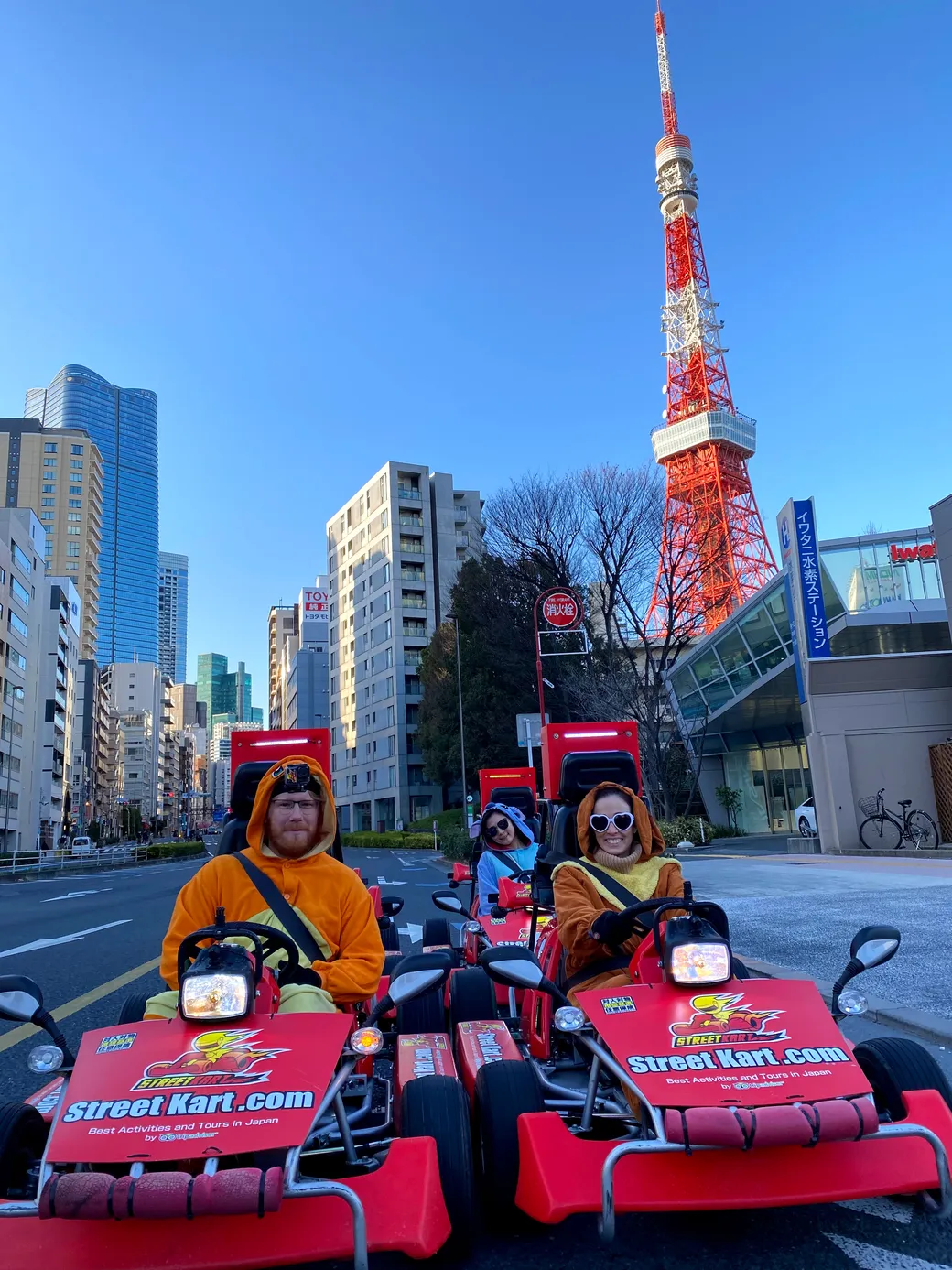
Stopped at a red light, I glanced to the side and caught the undulating glass facade of the massive National Art Center, Tokyo filling my view. The low rumble of the engine vibrated through my palms as the city breeze brushed against my cheeks. Honestly, I never imagined there could be an approach like this to touring Tokyo’s cultural institutions.
Tokyo is home to over 400 museums and galleries. It’s a remarkably dense concentration even by global standards, with art, history, science, and subculture scattered throughout the city in every genre imaginable. The catch is that trying to hit all these spots efficiently means burning through your energy on train transfers and bus wait times. That’s where I want to pitch something a little more adventurous — a plan that combines a street kart experience with a cultural facility tour. You ride through Tokyo’s streets on a guide-led tour, soaking it all in, then pop into nearby museums and galleries afterward. The journey itself becomes entertainment. Let me walk you through how to make a day of it.
What Makes Tokyo’s Museums So Fascinating
The beauty of Tokyo’s cultural scene lies in its sheer variety. In the Ueno area alone, you’ve got the Tokyo National Museum, the National Museum of Western Art, the Tokyo Metropolitan Art Museum, and the Ueno Royal Museum — all within walking distance. The National Museum of Western Art was designed by Le Corbusier and is a registered World Heritage Site, so the building itself radiates the presence of an art piece.
Turn your attention to Roppongi, and you’ll find the National Art Center’s special exhibitions generating buzz every time, while the Mori Art Museum keeps pushing the frontier of contemporary art. Since the Mori Art Museum sits on the 53rd floor of Roppongi Hills, you can take in a panoramic view of Tokyo’s nightscape from the observation deck after enjoying the art — a serious bonus.
Something a lot of people don’t realize is that many Tokyo museums offer evening hours. Visiting a museum on a Friday night and spending quiet time with the artwork in a nearly empty gallery is a completely different vibe from the daytime crowds. Take the Nezu Museum, for example — tucked just off the bustling streets of Omotesando, it’s a luxurious space where you can experience Eastern art while gazing out at a Japanese garden. Just walking the bamboo-lined approach is enough to make you forget you’re in the middle of a major city.
Hit the Streets by Kart Before Diving into Culture
Before your museum crawl, I’d highly recommend kicking things off with a street kart tour through Tokyo. Here’s why: the view of Tokyo from the low vantage point of a kart is nothing like what you see when you’re just walking around. The wind rushing between skyscrapers, the raw energy of an intersection, neon signs towering above you at a red light. Tokyo felt through your body is a completely different animal from guidebook photos.
Street Kart tours are guide-led, so there’s zero chance of getting lost. They have multiple locations across Tokyo — including Akihabara and Shibuya — each offering courses that depart from their respective neighborhoods. Start from the Akihabara shop, for instance, and you’ll weave through the colorful signage of the electric town while getting a taste of both old-school downtown Tokyo and the modern city center. After the tour wraps up, it’s a smooth transition to head to a cultural spot within walking distance.
A lot of people mount action cameras during the tour to capture footage. Set up a fixed mount and you’ll get immersive video from that low kart perspective. Just remember — for safety, using your phone while driving is strictly off-limits. Leave the filming to the fixed mount and soak in Tokyo’s scenery with your own eyes and body. That’s the way to do it.
Recommended Cultural Spots by Area and Post-Tour Plans
Ueno Area — Dive Deep into Japanese Culture
The Tokyo National Museum is one of Japan’s longest-running museums, housing roughly 120,000 items in its collection. The permanent exhibition alone could easily eat up half your day. The Japanese art collection in the main building is particularly stunning — you can trace the evolution of Japanese aesthetics from Jomon-era clay figures to Edo-period ukiyo-e woodblock prints. The special exhibitions held in the Heiseikan building are so popular that lines form every time, so grabbing tickets in advance will save you a lot of waiting.
The National Museum of Nature and Science is also in Ueno Park, recognizable by its massive blue whale model. Dinosaur skeletons, the Hayabusa2 capsule — it’s a paradise for science enthusiasts. The fact that you can enjoy Tokyo’s culture through a science lens as well as an art one really shows the depth this area has to offer.
Roppongi Area — The Cutting Edge of Contemporary Art
Roppongi is known as the “Art Triangle” for its concentration of museums. The National Art Center, Mori Art Museum, and Suntory Museum of Art are positioned in a triangle formation, and there’s even a joint ticket available for all three.
The National Art Center is unique in that it holds no permanent collection — it’s an exhibition-only museum. The undulating glass facade designed by Kisho Kurokawa is beautiful whether you’re looking at it from outside or inside. The museum’s café has soaring ceilings that give it an airy, open feel — a great spot to linger over a coffee and let the exhibition settle in your mind.
Shibuya & Omotesando Area — A Neighborhood of Design and Craft
From Shibuya to Omotesando, you’ll find small but distinctive galleries dotted around. Beyond the Nezu Museum I mentioned earlier, there’s the Taro Okamoto Memorial Museum and the Ota Memorial Museum of Art (specializing in ukiyo-e), among other venues dedicated to specific themes. The Ota Memorial Museum is about a five-minute walk from Harajuku Station, where you can see works by Katsushika Hokusai and Utagawa Hiroshige up close. The delicate color work of ukiyo-e just doesn’t translate through a phone screen. You have to see the real thing to truly grasp the incredible craftsmanship of Edo-period artisans.
Why People Choose Street Kart
Street Kart, which offers street karting experiences in Tokyo, has an extensive track record of tours. They’ve earned high praise from numerous participants, and the satisfaction levels are evident in the reviews.
Every tour is accompanied by a trained guide, which is a huge reassurance. The setup makes it easy for first-timers to enjoy the experience. Even if you’re unfamiliar with Tokyo’s traffic, your guide leads the way, so you naturally pick up on signal timing and lane-change cues.
Having multiple locations across the Tokyo area is another plus. With shops near culture-rich neighborhoods like Akihabara and Shibuya, it’s easy to transition straight from a tour into a museum crawl. They’re also equipped to handle group bookings.
Reservations can be made easily through the official website. There are certain requirements for driver’s licenses, so make sure to check the license details page beforehand. Reviews from people who’ve actually done it are posted on the official site too, so those are worth a look.
Tips for Getting the Most Out of Your Cultural Experience
If you want to tour Tokyo’s museums efficiently, choosing the right day and time slot matters. Weekday mornings tend to be relatively quiet, giving you space to take your time with the exhibits. Weekends in the afternoon get packed, so if you’re aiming for a popular special exhibition, right when it opens or an hour before closing is your best bet.
If you’re combining a street kart tour with museum hopping, a solid plan is to do the kart tour in the morning and hit the museums in the afternoon. Getting active on the kart and then cooling down in a quiet gallery creates a nice rhythm to your day.
As for photography, more and more Tokyo museums are allowing photos in certain exhibitions. Rules vary by venue though, so don’t forget to check at the entrance. Flash photography is generally a no-go, and most places ban tripods and selfie sticks too. A quick snap on your phone is usually just right.
Even if the weather turns sour, a cultural facility tour in Tokyo has you covered. Museums and galleries are indoors, so think of a rainy day as your chance to fully immerse yourself in the cultural experience. For street kart tours, you can check weather-related operating status on the Street Kart official website in advance for peace of mind.
Experience Tokyo’s Culture with a Kart Ride on the Side
Tokyo’s museums and galleries have a charm all their own. The fact that everything from traditional Japanese art to contemporary works coexists in a single city is something uniquely Tokyo. And experiencing that city from the low vantage point of a kart, cutting through the wind — it reveals a whole new side of Tokyo you didn’t know was there.
Quiet moments facing art in a museum, and the exhilaration of cruising down public roads — that contrast is what makes this cultural experience plan something you can only do in Tokyo. On your next trip here, try a slightly different approach to connecting with the city’s culture. You can check availability and book at kart.st, so start by taking a peek at what’s open. Tokyo’s streets are ready to show you a view you’ve never seen before.
